What an Accounting Firm Acquisition Actually Involves
What an Accounting Firm Acquisition Actually Involves

At Bookkeeping Made Simple, we aren’t just talking about growth: we are actively pursuing it.
Over the last few months, I’ve spent a significant amount of time in the "buy-side" trenches. I’m not looking at acquisitions as a vague future possibility; I am looking at them as a strategic priority right now. If you own a bookkeeping or accounting firm and have wondered what it’s like to be on the other side of that conversation, I want to pull back the curtain.
Most of what you read about accounting firm acquisitions is written by brokers who want to list your business or M&A theorists who have never actually integrated a ledger. This post is different. This is a transparent look at how we structure deals, what we look for, and why we believe acquisition is the fastest way to build a legacy-grade financial institution.
Why Acquisition Is Our Growth Engine
Organic growth is the slow, steady heartbeat of any business. At Bookkeeping Made Simple, we take pride in our organic numbers. But the reality of professional services is that adding three or four high-value clients a month: while excellent: is a linear path.
Acquisition is exponential.
When we acquire a well-run firm, we don’t just add revenue. We add a portfolio of fifty or a hundred clients, a proven team of professionals, and existing systems that have already been battle-tested. For us, it’s about scale without the chaos of building from scratch every time. The math is compelling: we can accomplish in sixty days of integration what might take three years of traditional marketing.
What We Look For (and What We Avoid)
We are specific about the firms we want to bring into the BMS family. We aren’t looking for "fixer-uppers" in the traditional sense; we are looking for strong foundations.

Our Target Profile
Owner-Operated Firms: We love firms where the owner has built something real but is ready for their next chapter.
Revenue Range: We typically look for firms with $200,000 to $750,000 in annual recurring revenue (ARR).
High Retention: We look for a client retention rate of 85% or higher. Loyal clients are the lifeblood of our industry.
Remote-Capable: Our model is built on flexibility and technology. If your firm still requires clients to drop off physical shoeboxes of receipts once a month, it likely isn't a fit for us.
Clean Records: It’s an irony of our industry that many accounting firms have messy books themselves. We look for firms that practice what they preach.
The Deal Breakers
We walk away from firms where the "Key Man Risk" is too high. If the clients are only there because they’ve been friends with you for twenty years and they don’t trust anyone else to touch their files, that’s not a business: it’s a job. We also avoid firms with significant unrecognized liabilities or those operating in hyper-specialized niches that don't align with our core expertise in serving entrepreneurs.
How We Structure the Deal
Transparency in deal structure saves everyone time. At BMS, we use a proven framework that balances risk and reward for both the buyer and the seller.
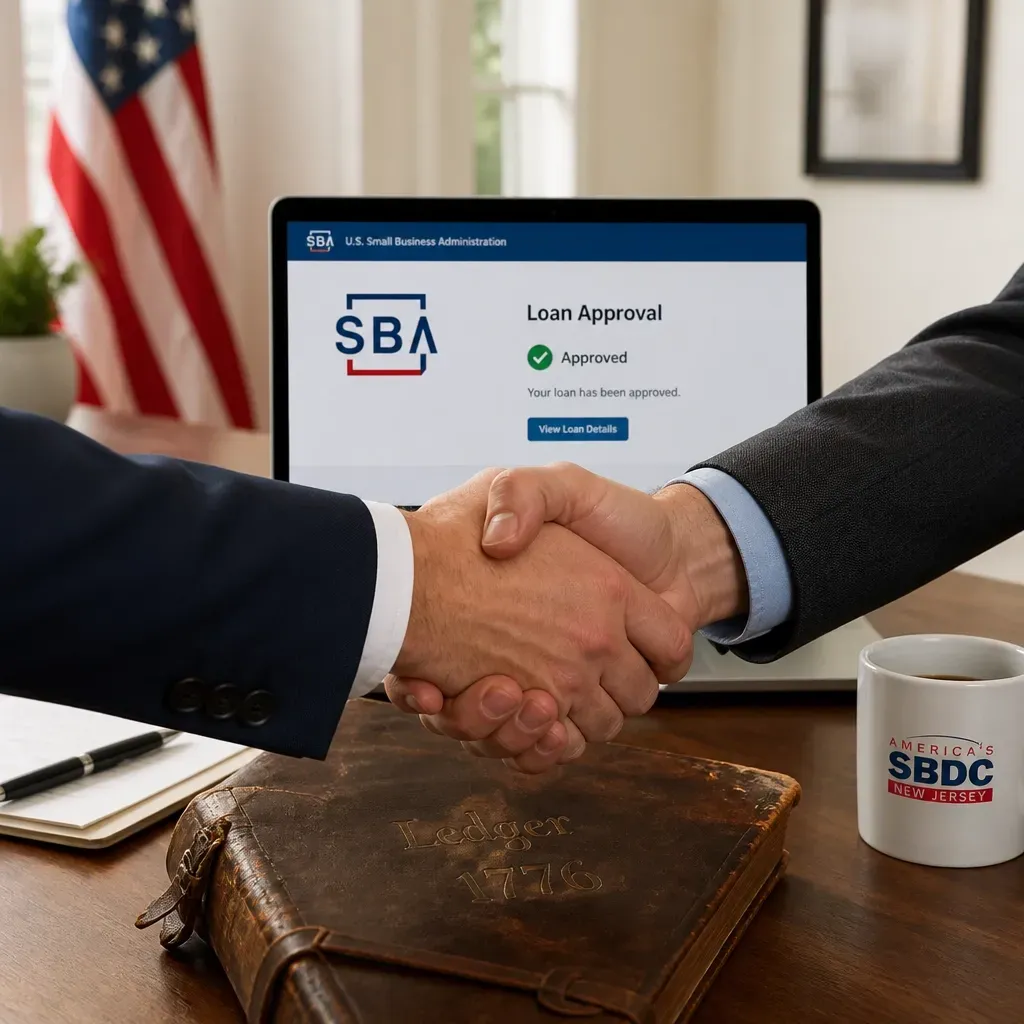
SBA 7(a) Financing: We typically leverage SBA 7(a) loans. These are fantastic because they allow us to finance goodwill, which is the primary asset in an accounting firm. It allows us to come to the table with a solid, bank-backed offer.
The Purchase Price Ceiling: Our current ceiling is 1.5x annual recurring revenue. We find this is a fair market valuation that supports healthy debt service while providing the seller with a significant exit.
The Seller Note (10–20%): We ask the seller to carry a portion of the purchase price as a note. This isn't just about financing; it’s about "skin in the game." It ensures the seller remains incentivized to help with a smooth transition.
The Earnout / Performance Component: While SBA rules have specific guidelines on earnouts, we use performance-based alignment mechanisms. Usually, a portion of the final payout is tied to client retention over the first 12 months.
Why the Earnout Is Good for Sellers
Sellers sometimes view an earnout as a "penalty" or a way for the buyer to claw back money. I view it as an alignment mechanism.
If I pay 100% cash up front and 40% of the clients leave the following month because the handoff was handled poorly, the business fails. By tying a portion of the value to retention, we are partners in the transition. When a seller is motivated to introduce our team warmly and endorse the new relationship, they almost always earn their full payout. It rewards the sellers who have built truly transferable value.
The Transition: From Handshake to Handoff
Acquiring a firm is easy; transitioning it is hard. We invest heavily in the 12 to 18 months following a closing.

The process typically involves:
Joint Announcements: We work with the seller to draft a communication plan that emphasizes continuity and enhanced service.
Parallel Involvement: For the first few months, the seller is often available as a consultant to answer the "Why did we do it this way?" questions that inevitably arise with complex accounts.
Digital Migration: We move client files into our secure, 24/7 access systems, ensuring that the client feels an immediate upgrade in their "financial visibility."
What to Expect from a Serious Buyer
If you are looking to sell, you shouldn't be looking for the highest bidder: you should be looking for the most certain bidder.
A serious buyer (like BMS) will come to the table with:
A clear, written Letter of Intent (LOI).
Documented proof of financing or a pre-qualification from an SBA lender.
A realistic timeline (typically 60–90 days from LOI to close).
A genuine plan for your team and your clients.
I’ve spent years building the financial foundation of this company. I don't buy firms just to "strip" them for parts. I buy them to integrate them into a system that helps more small business owners find freedom.
The Timeline: Start Earlier Than You Think
If you are thinking about selling your firm in the next three years, the time to have a conversation is now.
Because of the way earnouts and transition periods work, the "exit" isn't a single day: it’s an 18-month process. If you wait until you are completely burnt out to start the conversation, you will likely end up taking a lower valuation just to get out the door. Starting early gives you the luxury of choice. It allows you to clean up your own books, solidify your client contracts, and find the buyer who will actually take care of your legacy.
The Role of the Broker
I strongly advocate for using an experienced M&A broker who understands the accounting space. A good broker qualifies buyers, filters out the "tire-kickers," and manages the emotional highs and lows of the due diligence process. They protect both of us from the most common deal-killing mistakes.
Closing: A Personal Invitation
My family has been building things in America since the 1600s. We believe in the "frontier": and right now, for me, the frontier is the consolidation and professionalization of the bookkeeping industry. We are building something that lasts, and we want to partner with firm owners who feel the same way about the businesses they’ve spent decades creating.
If you own a bookkeeping or accounting firm and you’re starting to think about what comes next, I’d love to have a frank, peer-to-peer conversation. No pressure, no immediate timeline: just two business owners talking about the future.
Let’s talk.
Email: [email protected]
Phone: 801-692-0032
Online: mysimplebookkeeping.com/contact