The Difference Between a Business That Sells and One That Doesn't
The Difference Between a Business That Sells and One That Doesn't

Back in July, we shared the sobering story of a business owner who spent fifteen years pouring his heart, soul, and savings into a thriving enterprise, only to watch a lucrative acquisition deal collapse during due diligence. The product was great, the clients were loyal, and revenue looked healthy on the surface. But when the buyer’s CPA requested three years of reconciled financials, the cracks appeared: mixed personal and business expenses, unverified inventory counts, and accounts receivable that hadn't been reconciled since the previous fiscal year.
The buyer walked away within forty-eight hours.
That heartbreaking scenario is more common than most entrepreneurs realize. Every day, ambitious business owners assume that if a company is making money, it can be sold. But the brutal reality of the M&A market is this: profitability alone does not make a business acquirable. Business exit planning bookkeeping is the invisible engine that separates the businesses that command top dollar from the ones that quietly wither on the brokerage shelf.
If you ever plan to exit, retire, or pass the torch, understanding this difference today is your most important safeguard.
1. The Three-Year Rule: Why Historical Cleanliness Is Non-Negotiable
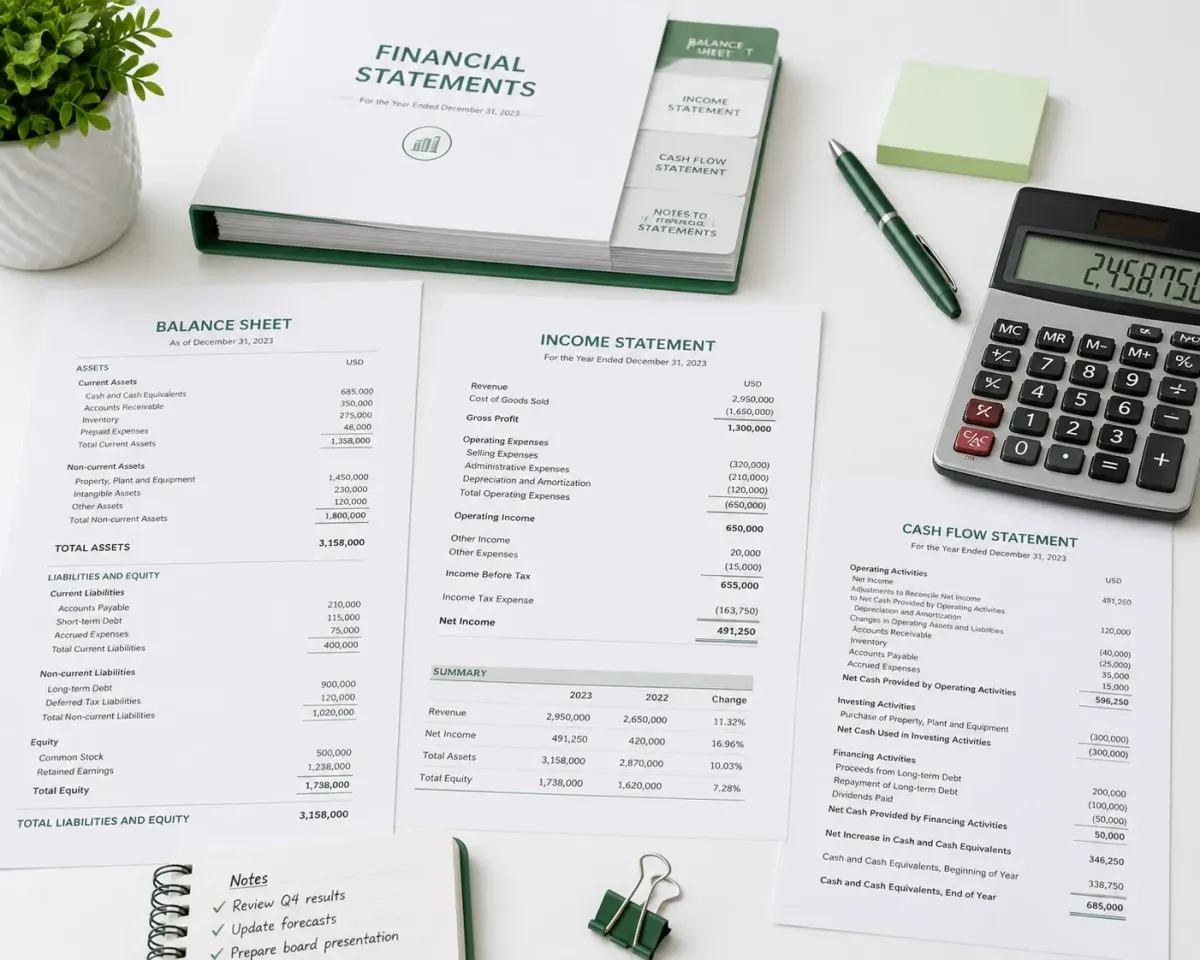
When an institutional buyer or private equity firm looks at your small business, they aren't just buying your current revenue stream; they are buying your future predictability with minimum risk. To evaluate that risk, they demand a minimum of two to three years of pristine, audit-ready financial statements, specifically your Profit and Loss (P&L) statements, balance sheets, and cash flow statements.

If your books are messy, inconsistent, or cobbled together ten days before tax filing season, you immediately trigger red flags.
The Discount Effect: Messy or missing records routinely shave 10% to 20% off a final valuation, if a buyer makes an offer at all.
The Trust Deficit: If your P&L doesn't reconcile cleanly with your bank statements, a buyer assumes the worst about everything else in your operation.
Delayed Due Diligence: Time kills deals. If your team takes weeks to answer basic financial inquiries during due diligence, the buyer’s enthusiasm cools, and momentum dies.
Achieving clean historical records isn't something you can fake or rush in thirty days. It requires consistent, disciplined monthly bookkeeping that treats your books as if an auditor is walking through the door tomorrow. If your records are currently behind, getting professional help now is the single highest-ROI move you can make. Take a look at our cleanup services to see how we bring chaotic books up to institutional standards.
2. Documented Systems and Normalized Earnings
Buyers don't just want to see raw numbers; they want to see normalized earnings (often referred to as adjusted EBITDA). Normalized earnings reflect what a typical buyer can expect to earn when running the business independently of your personal lifestyle perks, one-off legal settlements, or non-recurring repair costs.
However, you cannot normalize earnings that were never properly categorized. If your business credit card paid for your family vacation, your vehicle lease, and inventory purchases all in one lump sum without clear tagging, your bookkeeper and CPA have to guess, and buyers hate guessing.
Furthermore, a sellable business has documented systems behind those numbers. SOPs (Standard Operating Procedures) prove that the revenue is generated by a repeatable business model, not by the sheer heroic effort of the founder working eighty hours a week. When financial clarity meets documented operational systems, valuation multiples expand significantly.
3. Recurring Revenue and Predictability
Value is driven by certainty. A business that relies entirely on one-off project bids or volatile seasonal swings looks much riskier to a buyer than a business with predictable, recurring revenue streams.

Your bookkeeping system should segment your revenue streams cleanly. Can a prospective buyer immediately see what percentage of your income comes from monthly retainers, subscription models, or repeat customer contracts versus cold, one-off acquisitions?
When your financial reporting clearly isolates recurring revenue, you tell a powerful story: “This business generates cash flow month after month like clockwork, independent of whether the founder is in the office.” That is the exact narrative that sparks bidding wars among buyers.
4. From Survival Mode to Exit-Ready
For many entrepreneurs, the hardest part of exit planning isn't the legal paperwork or the broker fees, it's shifting mindset. When you're in the trenches of day-to-day operations, bookkeeping feels like a tedious tax chore rather than a strategic asset.
Transforming your business from a chaotic hustle into a pristine, bankable asset is an intentional journey. It mirrors the exact framework we explore in Donna Harris's book, From Broke to Bankable, which walks through the emotional and tactical evolution every founder must make to take control of their financial destiny.
Being "bankable", and ultimately sellable, means your numbers are transparent, your systems are locked down, and your business can stand entirely on its own two feet.
The Bottom Line
You don't have to be selling your business tomorrow to start preparing your books today. In fact, waiting until you are ready to list is already too late. Building a sellable business takes two to three years of intentional financial cleanup, rigorous monthly reconciliations, and clean separation between personal and professional finances.

If you suspect your books aren't quite ready for a buyer’s magnifying glass, don't wait for due diligence to expose the gaps. Let our team at Bookkeeping Made Simple help you build the financial clarity, accuracy, and peace of mind you deserve.
Ready to make your business truly sellable? Schedule a free consultation with our team today.